
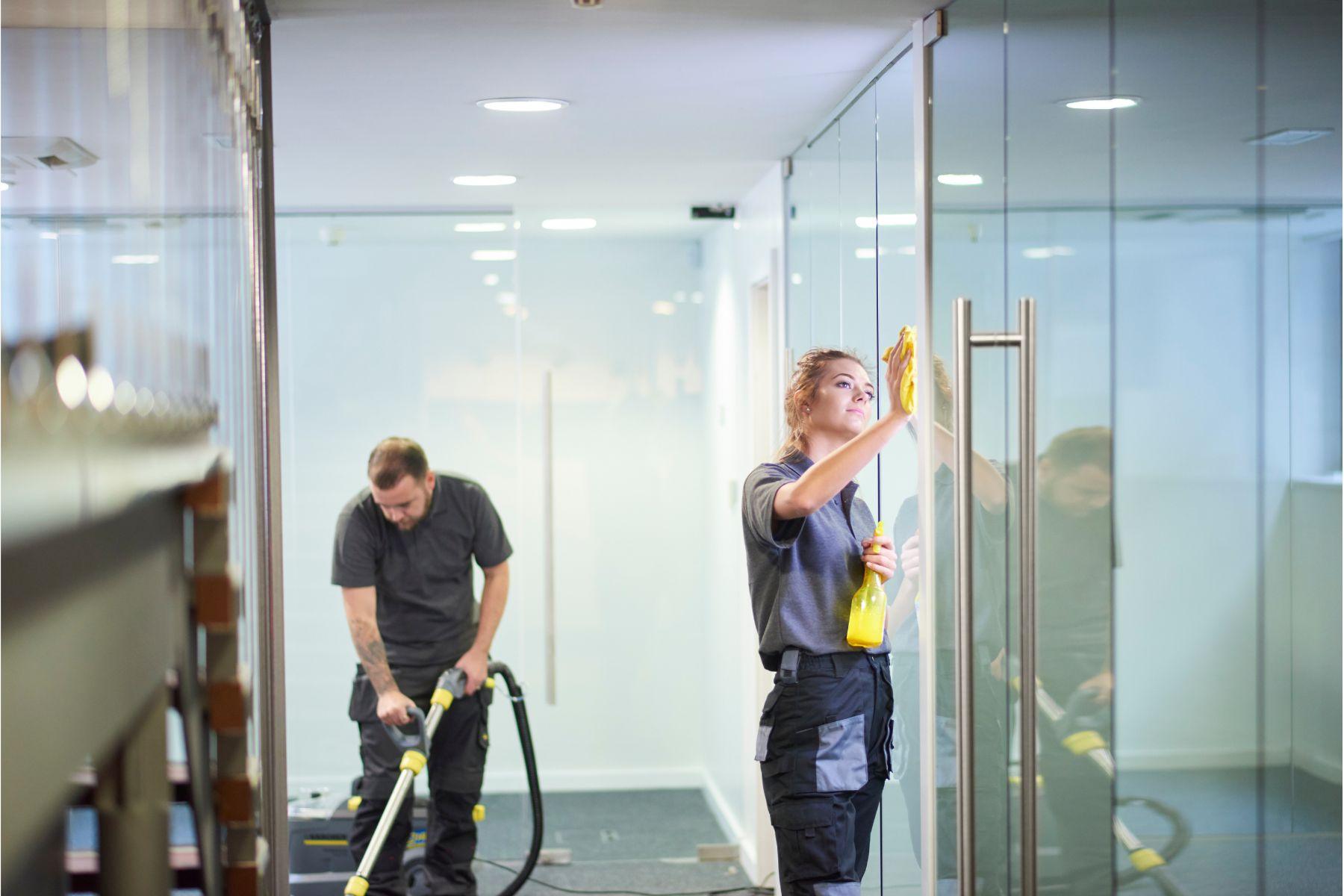
Cleaning and maintenance franchises are among the most consistently recommended entry points for first-time franchise buyers, and for good reason. Demand is universal, startup costs are accessible relative to other home service categories, and the recurring nature of the work creates a revenue base that compounds over time as your client portfolio grows.
But “cleaning franchise” covers a lot of ground. Residential maid services, commercial janitorial, window cleaning, carpet cleaning, and specialty maintenance are all distinct businesses with different economics, customer profiles, and operational demands. Understanding the differences before you choose is essential.
This guide covers the full cleaning and maintenance franchise landscape: how each subcategory works, what investment looks like, which brands are worth evaluating, and how to figure out which model fits your market and your goals.
Why Cleaning and Maintenance Franchises Work
Before going category by category, it’s worth naming what makes cleaning and maintenance franchises structurally appealing across the board.
Recurring revenue is the foundation. Unlike many service businesses where every sale is a new transaction, cleaning and maintenance franchises run on scheduled repeat visits. A residential client on a bi-weekly schedule, a commercial account with a nightly janitorial contract, a carpet cleaning customer on an annual program. All of them represent predictable future revenue that doesn’t require winning a new sale. That predictability is what allows the business to grow and, eventually, to run with less direct owner involvement.
Demand is universal and non-cyclical. Homes get dirty regardless of the economy. Office buildings need to be cleaned whether revenue is up or down. The maintenance category is one of the few in franchising where demand truly exists in every market, at every income level, in every economic climate.
Investment is accessible. Cleaning franchises have some of the lowest initial investment thresholds in home services which means buyers who are not in a position to invest $300,000 in an HVAC or restoration franchise can still access a legitimate recurring-revenue business with a real brand behind it.
The category is fragmented. In most markets, the majority of cleaning and maintenance work is done by unbranded independents. That fragmentation means a professional franchise brand with systems, training, liability insurance, and consistent quality standards can differentiate meaningfully from the market and command premium pricing.
Residential Cleaning Franchises
Residential cleaning is the most buyer-familiar subcategory. Teams of professional cleaners visit client homes on a scheduled basis using the franchise’s proprietary cleaning systems, products, and quality standards.
How the Residential Cleaning Business Model Works
Clients pay a recurring fee for scheduled cleaning visits. Pricing varies by home size, frequency, and market, but a typical bi-weekly clean in a suburban market runs $150–$250 per visit. A client who stays on service for three years is worth $3,500–$6,500+ in cumulative revenue with very low re-acquisition cost.
The franchise owner’s job is to hire and retain cleaning technicians, manage scheduling and routes, handle customer acquisition and retention, and grow the client base through referrals and local marketing. In most systems, route efficiency is the primary operational lever for profitability.
Investment Range
Entry-level residential cleaning franchises: $60,000–$120,000 total investment.
Mid-tier established brands (Molly Maid, The Cleaning Authority): $100,000–$175,000 total investment.
Liquid capital required: typically $40,000–$75,000.
Top Residential Cleaning Franchise Brands
Molly Maid: One of the most recognized names in residential cleaning. Part of the Neighborly system. Strong brand, proven systems, accessible investment.
Two Maids: Part of Authority Brands. Known for a performance-based pay structure that incentivizes cleaner quality and is designed to reduce turnover, which is one of the central operational challenges in the category. Strong technology platform. Growing aggressively in secondary markets.
The Cleaning Authority: Detailed Clean Rotation system with strong quality control structure. Emphasis on client education and service consistency. Good fit for operationally-minded owners.
Merry Maids: Part of ServiceMaster. One of the oldest residential cleaning franchise brands. Strong in established suburban markets.
Housecall Pro / independent cleaning tech brands: Not a traditional franchise, but worth knowing: technology platforms that support cleaning business operations are increasingly used by independent operators as an alternative to franchising. For buyers comparing franchise vs. indie, this is worth understanding.
What to Watch in Residential Cleaning
Staffing is everything. Residential cleaning has notoriously high turnover in the labor force. Your ability to hire, train, and retain reliable cleaning technicians will determine your growth ceiling more than any other factor. Before choosing a brand, ask specifically how the franchise system supports technician retention: pay structure, training programs, scheduling flexibility, and company culture all matter.
Client churn is silent. Happy clients quietly stay; unhappy clients quietly leave. The most dangerous metric in residential cleaning is gradual cancellation rate that goes unnoticed until the portfolio shrinks. Strong operators monitor retention rates actively and treat cancellation prevention as a core KPI alongside new client acquisition.
Commercial Cleaning Franchises (Janitorial)
Commercial cleaning franchises serve businesses, such as offices, medical facilities, retail locations, schools, and industrial spaces, rather than residential homeowners. The economics and operational model are meaningfully different from residential, and for many buyers, the B2B customer profile is actually a better fit.
How Commercial Cleaning Works
Commercial cleaning contracts are typically for after-hours janitorial service: cleaning offices, lobbies, restrooms, and common areas after the business day ends. Contracts run on monthly or annual terms, providing predictable recurring revenue. A mid-size office building on a nightly cleaning contract might generate $2,000–$5,000 per month in revenue. Losing one large commercial contract can be significant; maintaining a diversified portfolio of accounts is the risk management strategy.
The franchise model in commercial cleaning is unusual compared to other categories. Several of the largest brands (Jan-Pro, Coverall, OpenWorks) sell unit franchises to individual operators and also sell master franchises to area developers who sell and support those individual units. Buyers evaluating commercial cleaning should understand whether they’re buying an individual operator unit or an area developer role; the economics, investment, and day-to-day work are very different.
Investment Range
Individual operator units: $3,500–$50,000 (very low entry, but margins are thin and accounts are assigned by the master franchisee, not self-generated).
Area developer / master franchise: $100,000–$500,000+ (you sell and support individual franchisees; higher investment, higher upside).
Mid-market full commercial cleaning brands: $70,000–$200,000.
Liquid capital: $20,000–$100,000 depending on model.
Top Commercial Cleaning Franchise Brands
Jan-Pro: One of the largest commercial cleaning franchise systems in the world. Operates on a master/unit model. Strong brand and support infrastructure; important to understand whether you’re evaluating a unit or area developer opportunity.
Coverall: Similar master/unit structure. Strong in healthcare and office environments. Known for training quality.
OpenWorks: Growing commercial cleaning and facilities services brand. Offers a broader service scope than pure janitorial, including some facility maintenance services.
Buildingstars: Smaller commercial cleaning franchise with a more straightforward business model. Good fit for first-time franchise buyers in smaller markets.
Stratus Building Solutions: Green cleaning focus. Differentiates through environmentally responsible products and processes. Good positioning in markets with corporate sustainability commitments.
What to Watch in Commercial Cleaning
Understand the unit vs. master distinction. In commercial cleaning, buying an “individual operator franchise” is a very different business than buying a master franchise. Individual operators work in the field; master franchisees run a sales and support operation. Clarify exactly which model you’re evaluating before comparing investment figures.
Account concentration risk. Losing one large commercial account can have an outsized impact on revenue. Experienced commercial cleaning owners manage concentration risk by maintaining a diversified account portfolio. No single account representing more than 15–20% of revenue.
Specialty Cleaning Franchises
Beyond residential and commercial cleaning, a range of specialty cleaning categories offer strong franchise opportunities for buyers looking for a differentiated niche.
Carpet and Floor Care
Carpet cleaning and hard-surface floor care (tile, grout, hardwood refinishing) are primarily residential transaction businesses. Clients call when their carpets need cleaning, not on a weekly schedule. The recurring element comes from annual or bi-annual cleaning programs and upsells (stain protection, rug cleaning, upholstery).
Investment range: $60,000–$200,000 depending on brand and territory.
Chem-Dry: The largest carpet cleaning franchise brand in the world. Hot carbonation technology (lower water usage, faster drying) is a genuine differentiator. Strong residential and commercial mix.
Stanley Steemer: Brand recognition is very high. Primarily a franchise model in some markets, corporate in others. Check availability in your target area.
COIT Services: Full cleaning services brand (carpet, upholstery, tile, air ducts). More complex service mix, higher average ticket.
Window Cleaning
Professional window cleaning is a high-frequency recurring service for commercial clients (retail, restaurants, offices) and a periodic service for residential. Route density and repeat commercial accounts are the financial engine.
Fish Window Cleaning: The dominant window cleaning franchise brand. Strong recurring commercial account model. Accessible investment ($75,000–$175,000). Very route-efficient once accounts are established.
Dryer Vent and Air Duct Cleaning
Niche but growing category. HVAC system cleaning and dryer vent cleaning are increasingly marketed as both safety and efficiency services. Recurring revenue comes from manufacturer-recommended annual or bi-annual cleaning schedules.
Dryer Vent Squad, 1-800 Dryer Vent: Smaller, emerging brands in an underserved niche. Very low startup investment; strong upsell opportunity alongside existing HVAC or home services businesses.
Junk Removal and Cleanout
Not traditional cleaning, but adjacent in the maintenance category. Junk removal is primarily transactional (customers call when they need a cleanout) but strong brand recognition drives repeat business and referrals.
1-800-GOT-JUNK?: The dominant brand. Very strong national recognition. Investment: $100,000–$200,000 range.
Junk King: Strong competitor with good systems and growing national presence.
Residential vs. Commercial vs. Specialty: Which Is Right for You?
The cleaning and maintenance category is wide enough that buyer fit varies significantly. Here are the key decision factors:
If you want recurring predictable revenue and don’t mind managing a team of cleaners: Residential cleaning is your starting point. Molly Maid and Two Maids are the most commonly recommended brands for first-time buyers in this category.
If you prefer B2B relationships over consumer marketing and have strong sales/relationship skills: Commercial cleaning (area developer or mid-market brand) is worth serious consideration. Your customers are facility managers and business owners, not homeowners. The sales cycle and relationship dynamic is fundamentally different.
If you want a niche with lower competition and route efficiency: Window cleaning (Fish Window Cleaning) or specialty cleaning (Chem-Dry for carpet) offer strong economics in most suburban markets with less direct franchise competition than general cleaning brands.
If you’re looking for the most accessible entry point in home services: Some commercial cleaning unit franchises start below $10,000, though the individual operator economics are different from area developer models. For buyers with limited capital, understanding the full range is important.
For a broader comparison of home service franchise categories alongside cleaning, see: Best Home Service Franchises for Someone Leaving Corporate and Best Semi-Absentee Home Service Franchises.
What Makes a Strong Cleaning Franchise Market
For residential cleaning: High homeownership rate, dual-income households, median household income $70,000+, suburban density, and a culture of using professional home services. Markets with a large proportion of transplants from the Northeast or West Coast, where professional cleaning services are deeply normalized, tend to produce faster client acquisition.
For commercial cleaning: Density of office, medical, retail, and service businesses. Strong healthcare employment markets (hospitals, medical offices) are particularly good for commercial cleaning because healthcare facilities have high cleaning frequency and compliance-driven contract stability.
For specialty (carpet, windows, dryer vents): Primarily follows residential demographics, such as homeownership, household income, and home age (older carpet and aging HVAC systems generate more demand).
Use the BizExplorer map to evaluate your target territory’s demographic profile and see which cleaning franchise brands have open territories in your market.
How BizExplorer Helps Cleaning Franchise Buyers
The BizExplorer map shows open franchise territories for cleaning and maintenance brands with demographic overlays, so you can see whether your target market has the household income, homeownership rate, and density to support the recurring client base a cleaning franchise needs.
You can also connect directly with a franchise advisor who has worked with cleaning franchise buyers across multiple markets and can tell you, based on real experience, which brands perform well in markets like yours and which territories are worth pursuing.
Explore cleaning franchise territories on the map or book a free 15-minute call with Rich to talk through which cleaning or maintenance franchise model fits your situation.
Frequently Asked Questions
How much does a cleaning franchise cost?
It depends on the category. Residential cleaning franchises run $60,000–$175,000 in total investment. Commercial cleaning unit franchises start as low as $3,500 (individual operator) or $100,000–$500,000+ for area developer roles. Carpet and specialty cleaning brands typically run $60,000–$200,000. Liquid capital requirements range from $20,000 to $75,000 for most residential and specialty brands.
Is a cleaning franchise profitable?
Yes, when operated well. Residential cleaning franchises with 100–150+ recurring clients can generate strong owner income. Profitability depends on client retention, route efficiency, and staffing costs. Commercial cleaning area developers with a strong account portfolio can reach $1M+ in annual revenue. Review the franchisor’s Item 19 FDD disclosure and validate with existing franchisee conversations.
What is the best cleaning franchise to buy?
For first-time buyers in residential cleaning, Molly Maid and Two Maids are frequently recommended for their combination of brand strength, system support, and accessible investment. For commercial cleaning, Jan-Pro (area developer) and Buildingstars are strong options depending on market size. For specialty, Fish Window Cleaning and Chem-Dry are the dominant brands in their respective niches.
Is a cleaning franchise semi-absentee friendly?
Residential cleaning becomes semi-absentee viable by year 2–3 once a stable team and client base are in place. Commercial cleaning area developer businesses can be run with a sales manager overseeing individual operators. Specialty cleaning is more owner-dependent early on.
Do I need cleaning experience to own a cleaning franchise?
No. Franchise systems provide full training on cleaning methods, quality standards, and business operations. More important than cleaning knowledge is your ability to manage people, handle client relationships, and run the business operationally. Corporate backgrounds in operations, HR, or customer service translate well.
How many clients does a residential cleaning franchise need to be profitable?
Most franchise advisors point to 80–100 recurring clients as the approximate break-even threshold for a single-crew residential cleaning operation. Meaningful profitability typically requires 150+ active recurring accounts. Most franchisees reach that range by year 2–3 with consistent effort on client acquisition and retention.
What is the difference between a cleaning franchise and starting an independent cleaning business?
An independent cleaning business has no franchise fee, no royalties, and full pricing control. The trade-offs are no brand recognition, no proven system, and you build everything from scratch including marketing, hiring processes, and quality standards. A franchise gives you those systems in exchange for ongoing royalties (typically 5–7% of gross revenue for residential brands). For buyers who want a playbook and are willing to pay for it, franchising reduces the startup learning curve significantly.